
Children aren’t looking for the perfect explanation—they’re looking for someone to explore the hard questions with them.
Geri Lane Tweet
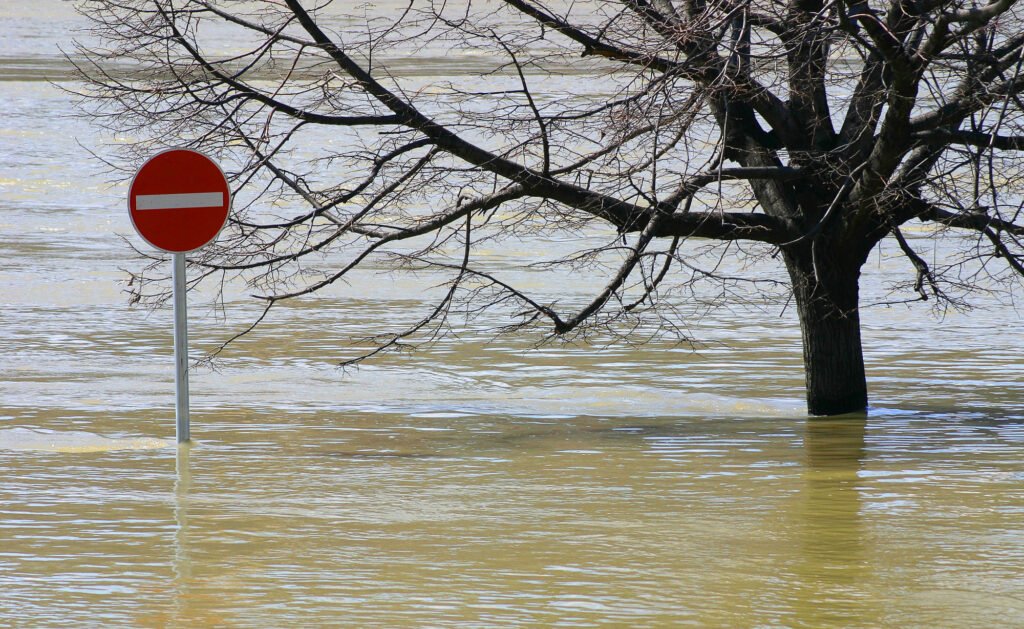
When a natural disaster like the recent Texas flood makes national headlines—especially one that tragically includes the loss of life—many unschooling parents pause.
Should I tell my child about it?
Will it scare them?
What if they ask a question I don’t know how to answer?
As unschoolers, we believe that real learning starts with real life. Current events, even the heartbreaking ones, can open meaningful conversations—if approached gently, respectfully, and through the lens of your child’s curiosity.
This post is here to help you talk to your child about the Texas flood in an age-appropriate way and follow their questions into meaningful, self-directed exploration.
🧒🏽 A Gentle Overview to Share With Your Child
If you haven’t talked about the Texas flood yet, here’s language you can use with kids around third grade and up:
“A big rainstorm happened in Texas. It rained so much and so fast that the land couldn’t soak it all up. That caused a flood—when water rises and spreads over roads, parks, and neighborhoods. Some families had to leave their homes, and sadly, some people—even children—died.
Floods are natural, but they can be dangerous. That’s why communities have helpers: rescuers, engineers, and neighbors who work together to stay safe and help others. We can learn more about what floods are, how they happen, and how people rebuild afterward.”
For younger children (K–2), you might say:
“There was a big storm in Texas, and too much rain made the land very wet. The water covered streets and houses. Some people got hurt, but lots of helpers came to keep others safe.”
You don’t have to go into deep detail—you only need to open the door.
❓ What Your Child Might Ask — and Where That Curiosity Can Lead
Kids are naturally curious. After hearing about the flood, they might surprise you with a mix of technical, emotional, and imaginative questions.
Here are a few common ones, and some ways you can follow their lead:
Child’s Question | Try Exploring… |
“Could that happen here?” | Pull up a local map, look at rivers or flood zones. Ask: “Where do you think rainwater goes in our town?” |
“How do people get rescued?” | Role-play a rescue mission with dolls or LEGO. Watch a video of real first responders. Build a pretend boat. |
“Why did people die?” | Keep it simple: “The water came too fast in some places. Not everyone could get to safety.” Then gently shift to what people are doing to help now. |
“Can we stop floods?” | Challenge them to build a flood barrier using blocks, foil, or cardboard. What works best? What still lets water in? |
“What about the animals?” | Research how floods affect wildlife. Go outside after rain and see which creatures appear. Make an animal rescue center in the backyard. |
🔍 Follow Their Curiosity: Child-Led Paths to Explore
Unschooling doesn’t mean covering everything. It means following what lights them up. Here are a few curiosity paths you might travel:
🌧️ If they’re into weather and storms…
- Create a rain gauge with a clear cup and ruler
- Watch a time-lapse of a rainstorm
- Draw the water cycle together
🛠 If they love building and fixing…
- Compare different flood defenses in real life: levees, sandbags, drainage grates
- Design a house on stilts with building blocks
- Test slope vs. flat land for water runoff
🐸 If they care about animals…
- Investigate which habitats are affected
- Pretend-play a wildlife rescue
- Make a diorama showing a swamp before and after a flood
🧭 If they like maps and systems…
- Map the Texas flood area and compare it to where you live
- Plan a city with “safe zones” using toy roads and structures
- Trace how water moves through your neighborhood
💕 If they feel deeply about people and emotions…
- Draw cards for helpers
- Interview a grown-up about a time they experienced a big storm
- Write a story about a brave kid during a flood
💡 You Don’t Have to Have All the Answers
Some of the most powerful unschooling moments come when you say,
“I don’t know… Let’s find out together.”
You don’t have to cover science, social studies, engineering, and safety all at once. Just observe what your child gravitates toward. Offer resources. Ask questions. Document the journey.
📣 Share Your Story
What direction did your child take after learning about the flood? Did they build something? Ask a big question? Draw a map?
I’d love to hear—and you might inspire another family.
Come share in my Telegram Group, “Everyday Science Adventures,” or tag me (Geri Lane) on social media with your flood explorations.