September 11 for Kids: A Gentle, Powerful Unschooling Lesson on Remembering and Rebuilding
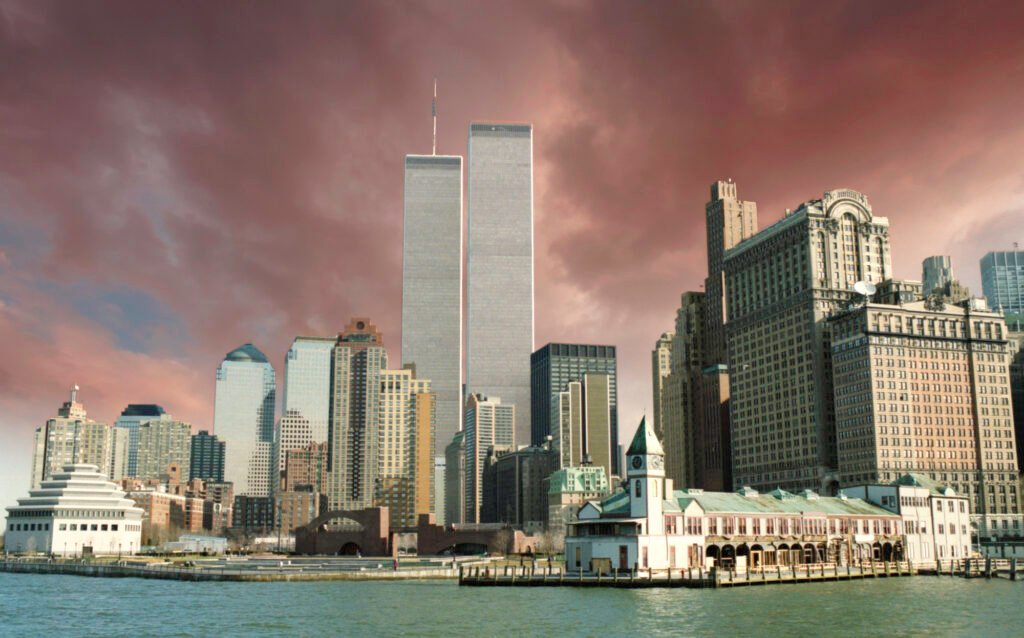
September 11, 2001 changed everything—and yet, many children today don’t even learn about it. As unschooling families, we have the freedom to gently introduce significant historic events in ways that honor truth, spark reflection, and build empathy. This hands-on, interdisciplinary lesson brings together social studies, STEAM, and language arts in a meaningful way for children of all ages.
Big Idea
How did one day change our country—and how do we remember and learn from it?
Social Studies / History: Before and After
Start by telling a story. For example:
“When I was little, we used to go to the airport just to watch the planes take off. It was fun, free, and exciting. After September 11, that changed. Do you know why?”
Use this as a jumping-off point for discussion.
Activity: Create a ‘Before and After’ chart or drawing. What was normal before 9/11? What changed?
Key discussion questions:
- Why do you think airport rules changed?
- What does ‘security’ mean?
- How do we balance safety and freedom?
Rebuilding Ground Zero: The Design Competition
After the attack, a global design competition was launched to reimagine the World Trade Center site. The winning design, titled “Reflecting Absence,” was created by Michael Arad and Peter Walker. It features two sunken pools in the footprints of the original towers, surrounded by a grove of trees and engraved names of victims. The memorial invites quiet reflection, emotional response, and public remembrance.
Children can explore various designs submitted in the competition and evaluate them through an artistic and emotional lens. Some designs were bold and futuristic; others focused on peace and healing. Encourage children to discuss how light, shape, water, and space affect the way a place makes you feel.
Learn more about the design process and how ‘Reflecting Absence’ came to be: https://placesjournal.org/assets/legacy/pdfs/reflecting-absence.pdf
Vocabulary to introduce:
- Memorial: A structure or space created to remember someone or something important
- Reflecting pool: A shallow body of water used for contemplation and beauty
- Absence: The state of being missing or not present, often evoking emotion
- Civic space: Public areas where people gather, think, and remember
Art + Emotional Expression: Symbols of Hope
Make a collage titled ‘Symbols of Strength.’ Use drawings or cutouts of things like flags, firetrucks, light beams, trees, or memorials.
STEAM: Flight and First Responders
Explore how planes fly with paper airplane experiments. Then watch a video about rescue tech: robots, dogs, drones.
Engineering idea: build a mini rescue robot or a simple pulley system to ‘rescue’ a toy from rubble.
Language Arts: Read and Reflect
Book ideas: (affiliate links)
- Fireboat by Maira Kalman
- September 12th by a first grade class
- 14 Cows for America by Carmen Agra Deedy
Writing ideas:
- “If I had been there, I would have helped by…”
- Create a poem titled ‘We Remember’ using words for what you’d see, hear, or feel.
Critical Thinking
Talk about:
- Why do we have days of remembrance?
- What does ‘unity’ mean?
- How do we stay hopeful after something hard?
Portfolio + Standards Connection
Document drawings, reflections, or photos. This lesson supports:
- C3 Social Studies: Historical inquiry, civic understanding
- NGSS: Engineering and design practices
- ELA: Narrative and opinion writing, speaking and listening
Share Your Story
If you’re old enough to remember, share with your child: Where were you when you first heard the news on 9/11? How did it affect your view of the world? Invite your child to ask you questions about what you saw, felt, or thought at the time.
Explore More
Find more unschooling resources, book suggestions, and NGSS-aligned activities at unschoolingk5shop.com